
Availability
-
Max:


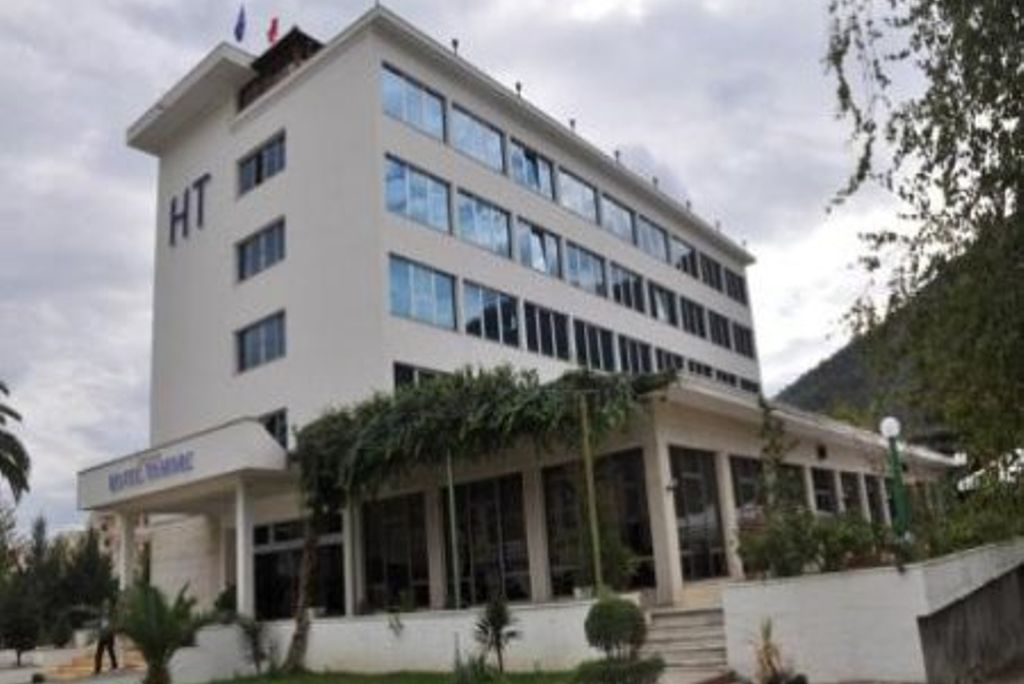

Tomorri Hotel was the only hotel in the town during the dictatorship used by the few tourist or high ranking officials visiting the old city on a business trip. The architecture is typical of communist style and the building is surrounded by big palm trees. Built in 1975, the hotel has 30 years experience of service and tradition; therefore it can make your stay as comfortable and enjoyable, as you wish. The rooms have been upgraded in recent years while in the summer of 2006 it finished upgrading the reception area, bar and restaurant. The view from the terrace on the top floor overlooking the old Mangalemi & Gorica districts is spectacular. There is a plenty of rooms in the hotel, around 50, from which 38 are twins, 9 double and 3 suites. All the rooms are equipped with bathroom, shower, Air-conditioning, central heating, TV, mini bar. Hotel “Tomorri” has a bar, a restaurant and a conference room can accommodate 80 people. In the restaurant of hotel “Tomorri” you will find the Albanian traditional specialty and oriental kitchen.enjoy the pleasure of this hotel.
 Air conditioning
 Free WiFi
 Breakfast
 Bar
 Flat Screen TV
 Private bathroom
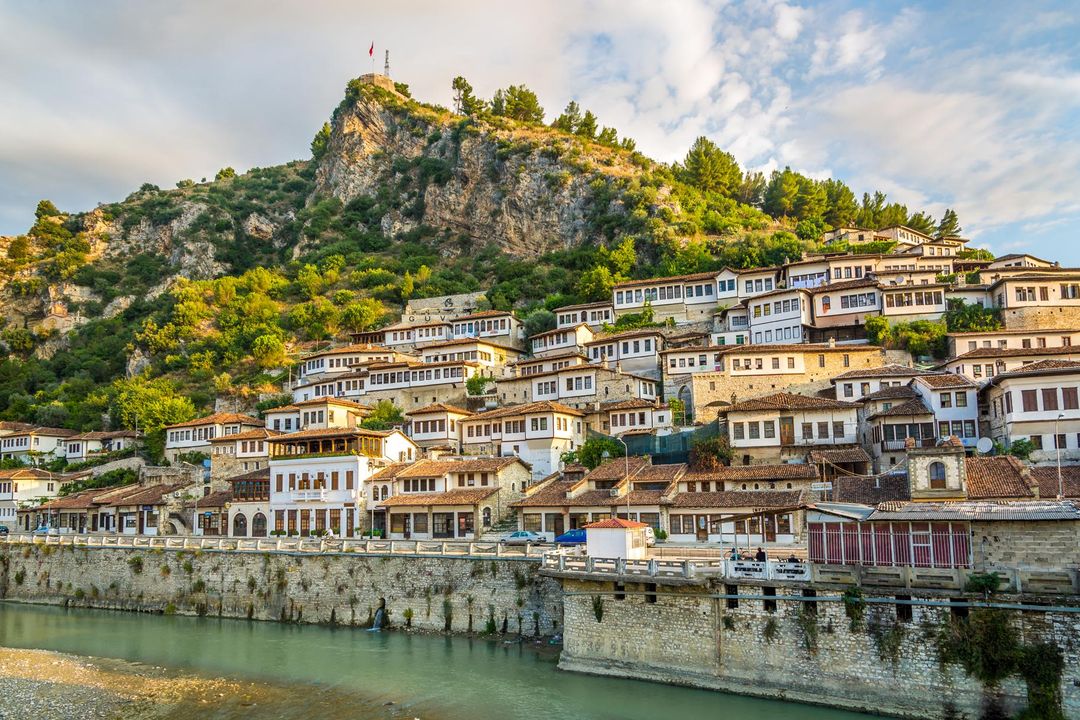 Berat, historically known as Poulcheriopólis and Antipatreia, is the ninth most populous city of the Republic of Albania. The city is the capital of the surrounding Berat County, one of 12 constituent counties of the country. By air, it is 71 kilometres (44 miles) north of Gjirokastër, 70 kilometres (43 miles) west of Korçë, 70
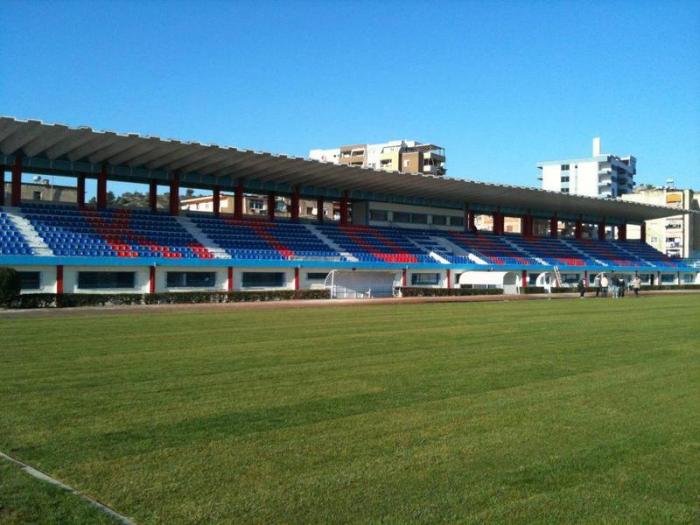 The football (soccer) club is KS Tomori Berat.
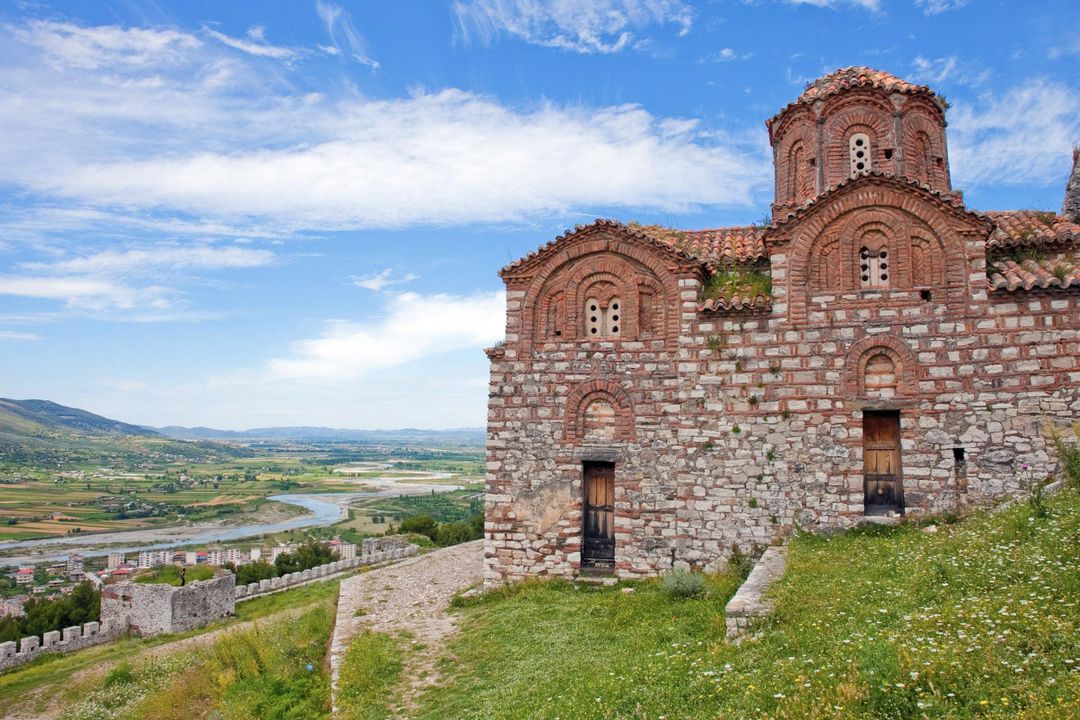 The earliest recorded inhabitants of the city (6th century BC) were the Greek tribe of the Dassaretae or Dexarioi, the northernmost subgroup of the Chaonians, and the region was known as Dessaretis after them. Modern Berat occupies the site of Antipatreia (Ancient Greek: Αντιπάτρεια), which originally was a settlement of the Dexarioi[5] and later a Macedonian stronghold in southern Illyria.[3][6] The founding date is unknown, although if Cassander is the founder it has been suggested that Antipatreia was founded after he took control of the region around 314 BC. In 200 BC it was captured by the Roman legatus Lucius Apustius, who razed the walls and massacred the male population of the city.